


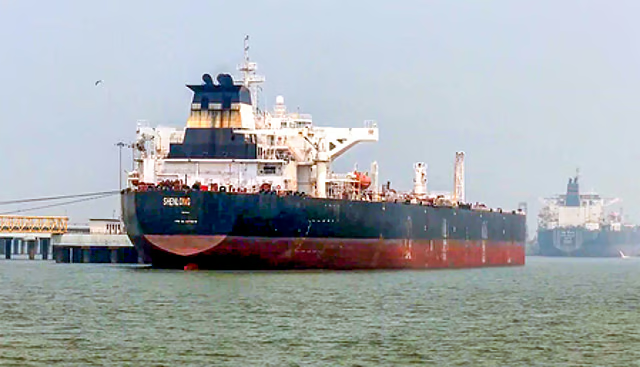
The Strait of Hormuz, one of the world’s most important oil routes, is facing severe disruption as ongoing conflict in the Middle East intensifies. The situation has slowed shipping activity, increased operational costs, and left thousands connected to maritime operations affected.
The crisis began after strikes by the United States and Israel on Iran on February 28, which triggered retaliatory actions across the region. Since then, access to the strait has become increasingly restricted. Under normal conditions, nearly 20 percent of the world’s oil and liquefied natural gas passes through this narrow waterway, making the current slowdown a major concern for global energy markets.
Shipping activity has dropped sharply. The strait, which usually handles about 120 vessel crossings daily, recorded only 116 total crossings between March 1 and 19. This marks a decline of roughly 95 percent, according to data from Kpler. Most of the limited traffic consisted of oil and gas carriers heading outward, indicating that incoming vessel movement has nearly stopped.

At the same time, security risks have surged. Since the beginning of March, at least 23 commercial vessels, including 11 oil tankers, have been attacked or reported incidents in the region, according to UK Maritime Trade Operations.
The disruption has also pushed costs significantly higher. Fuel prices for ships have risen sharply, crude shipping costs have increased, and hundreds of vessels remain stranded, adding pressure to global supply chains.