


Uncertainty surrounding the ceasefire between the US and Iran has raised fresh concerns across the Gulf, particularly over control of the Strait of Hormuz.
Despite Donald Trump announcing a halt in hostilities, conflicting interpretations of the agreement quickly emerged. The United States, Israel, and Iran presented differing accounts of what the ceasefire included. Tehran cited Israeli strikes on Hezbollah targets in Lebanon as violations, while Washington maintained those actions were outside the scope of the deal.
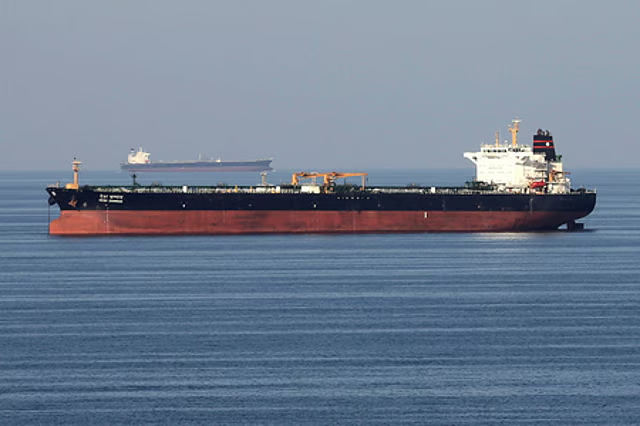
At the same time, ambiguity persisted over whether the Strait of Hormuz was open or effectively under Iranian control. The waterway remains a critical route for global oil shipments, making any disruption highly significant.

Across the Gulf, reports of continued drone and missile attacks further undermined confidence in the ceasefire, with several countries experiencing renewed alerts. The developments highlighted ongoing instability despite diplomatic announcements.
Analysts say the situation exposes deeper trust gaps and raises concerns that the ceasefire could ultimately strengthen Iran’s strategic position. By leveraging control over the Strait of Hormuz, Iran appears to be extending its influence beyond military conflict into economic pressure with global implications.


