


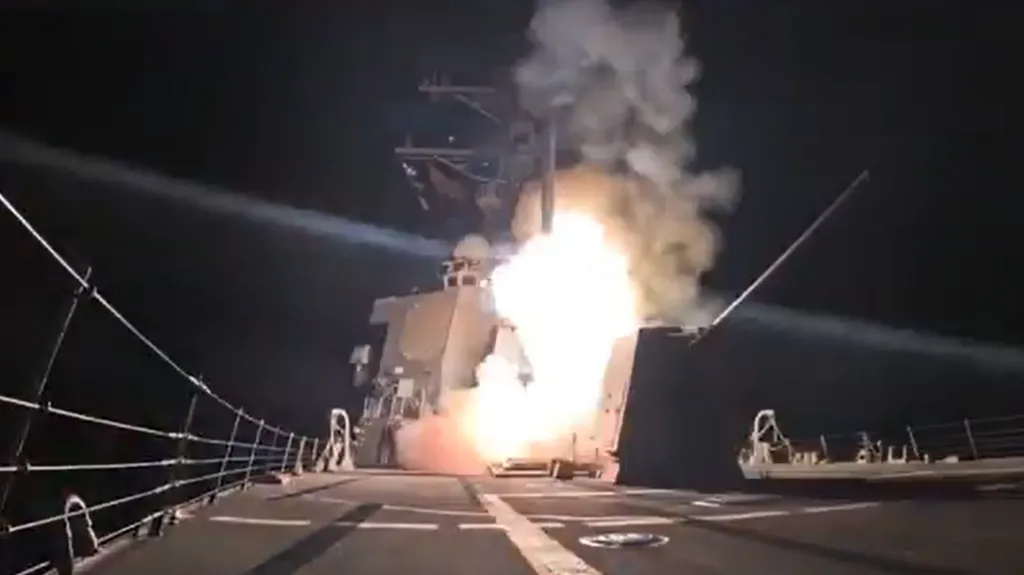
The United States carried out airstrikes against Islamic State (IS) militant camps in Nigeria’s northwestern Sokoto state on Christmas Day, marking a significant escalation in cross-border counterterrorism operations in the region. US President Donald Trump described the strikes as “powerful and deadly,” targeting what he called “terrorist scum” responsible for killing innocent Christians. However, Nigerian Foreign Minister Yusuf Maitama Tuggar emphasized the operation was a joint effort based on shared intelligence and was not religiously motivated, stating it “could be any other day.”
According to the US military, the strikes hit multiple IS-linked camps near the border with Niger, resulting in “multiple” militant casualties. Nigeria has been battling jihadist groups—including Boko Haram and IS-affiliated factions—for over a decade, though IS expansion into the northwest is a more recent development. Tuggar did not rule out further strikes and noted the planning had been underway “for quite some time.”

The Trump administration has previously accused Nigeria of failing to protect Christians from jihadist violence, even labeling the country a “country of particular concern” over religious freedom violations. However, conflict monitoring groups note that both Muslims and Christians have been victims of jihadist attacks in Nigeria, with most fatalities historically being Muslim. Analyst Bulama Bukati suggested the strikes likely targeted a smaller IS splinter group known locally as Lakurawa, which has established camps in Sokoto over the past two years.
This operation follows recent US airstrikes against IS in Syria and reflects Washington’s growing willingness to conduct direct military interventions against jihadist networks beyond the Middle East. Nigeria’s foreign ministry affirmed continued security cooperation with international partners, stating the strikes delivered “precision hits on terrorist targets.” As jihadist violence spills further into northwest Nigeria, cross-border military coordination is expected to intensify amid ongoing regional instability.