


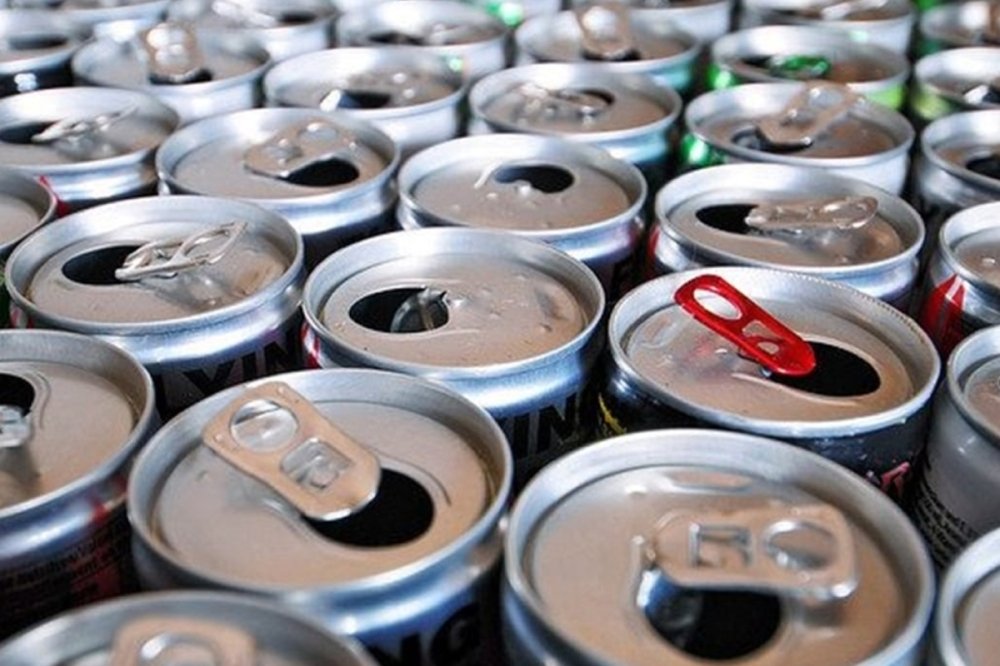
Kuwait’s Minister of Health, Dr. Ahmed Al-Awadhi, has issued a ministerial decision banning the sale of energy drinks in schools, universities, government agencies, and all private institutions. The move aims to strengthen the country’s health prevention system, promote safe consumption habits, and restrict access to vulnerable groups, particularly youth.
The decision also prohibits the sale of energy drinks in restaurants, cafes, grocery stores, food carts, vending machines, and through delivery platforms. Only individuals aged 18 and above may purchase energy drinks, with a daily limit of two packages containing no more than 80 mg of caffeine per 250 ml. Producers and importers must place clear health warnings on packaging and are barred from advertising or sponsoring events related to these beverages.

These regulations are part of a broader public health strategy to reduce the risks associated with excessive caffeine and stimulant consumption, which can lead to cardiovascular issues, sleep disturbances, and other health problems—especially among younger populations. By restricting availability in educational and institutional settings, authorities aim to curb habitual use and raise awareness about potential health impacts.
The decision reflects Kuwait’s ongoing efforts to align its health policies with preventive healthcare frameworks seen in other countries. It also underscores the government’s commitment to regulating products that pose public health risks, particularly when marketed to or easily accessed by minors and students. Retailers and distributors are expected to comply promptly, with oversight from the Ministry of Health and other relevant bodies.