


Global financial markets remained volatile on Wednesday as concerns grew that the ongoing conflict involving Iran, the United States and Israel could drag on and disrupt energy supplies.
The FTSE 100 and major US and European indexes posted gains after two days of declines. However, several Asian markets continued to fall sharply for a third consecutive day as investors reacted to uncertainty surrounding the conflict and its impact on global energy supplies.
Oil and gas prices eased slightly on Wednesday but remained significantly higher than levels seen before the conflict began. The rise in energy prices has been linked to disruptions in shipping through the Strait of Hormuz, a vital route for global oil and gas shipments.
Analysts warn that sustained increases in energy costs could lead to higher prices for goods and services. David Miles of the Office for Budget Responsibility said inflation in the United Kingdom could rise if oil and gas prices remain elevated for a prolonged period. However, he noted that current price increases are still far below the spikes seen after the Russian invasion of Ukraine.
Energy markets have also been affected by security threats targeting key facilities. Saudi Arabia reported an attempted drone attack on the Ras Tanura Refinery earlier this week. Meanwhile, QatarEnergy temporarily suspended production of liquefied natural gas, further tightening global supply.

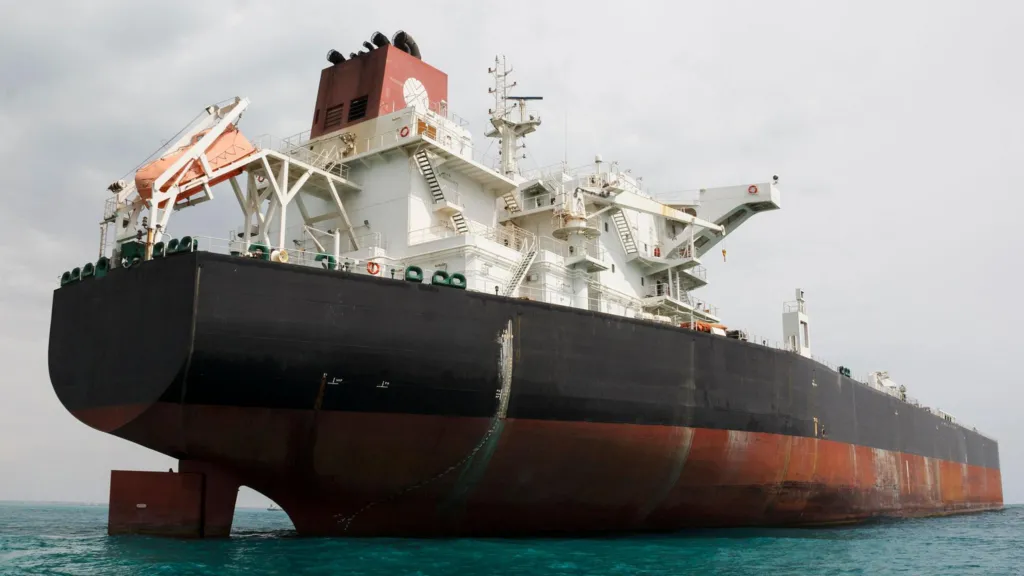
Shipping through the Strait of Hormuz has slowed dramatically after threats from Iran, leaving around 200 oil tankers effectively stranded, according to maritime data. Insurance premiums for vessels travelling through the region have also risen sharply.
US President Donald Trump said the United States could offer insurance support for shipping and deploy the Navy to protect oil tankers if required. However, market analysts believe companies may remain cautious due to security risks.
The uncertainty has particularly affected Asian markets, as many countries in the region depend heavily on Middle Eastern energy supplies. Stock exchanges in South Korea and Thailand temporarily halted trading after sharp declines triggered circuit breakers designed to prevent panic selling.
Economic experts warn that if high energy prices persist, the situation could influence inflation and interest rate policies in several countries, including the United Kingdom. The Bank of England is expected to announce its next interest rate decision on March 19.


