


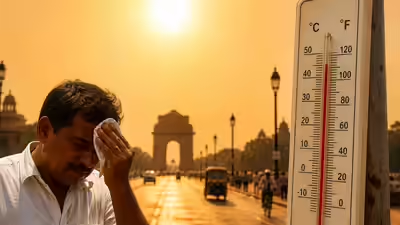
India is witnessing an unusually intense summer in 2026, with early heatwaves, rising temperatures, and concerns over below-normal rainfall linked to a possible El Niño pattern.
Temperatures have already crossed 45°C in several regions, with parts of the country recording highs close to 47°C even before peak summer. Cities like Akola have reported extreme heat, placing India among the hottest regions globally in recent weeks.
Weather experts say the intensity is driven by a combination of factors, including early heatwave onset, reduced pre-monsoon rainfall, and global climate shifts. According to forecasts, El Niño conditions—caused by warming ocean temperatures in the Pacific—are likely to develop by mid-2026, which could further disrupt India’s monsoon and intensify heat levels.
Historically, El Niño years have been associated with weaker and delayed monsoons in India, leading to drought-like conditions and increased heat stress. Scientists warn that in a warming world, such climate events are becoming more severe, amplifying temperature extremes and rainfall irregularities.

The impact is already being felt across sectors. Health experts warn of rising cases of dehydration, heat exhaustion, and heatstroke, particularly among outdoor workers and vulnerable populations. Economically, extreme heat is affecting productivity, increasing electricity demand, and putting pressure on water and food systems.
Urban areas are facing additional challenges due to the “urban heat island” effect, where concrete structures trap heat, keeping cities warmer even at night. Limited access to cooling systems for many households further compounds the issue.
Climate analysts note that India’s heatwaves are becoming longer, more frequent, and more intense. With rising global temperatures and shifting weather patterns, experts say the country may face a prolonged and more severe summer season in the years ahead.