


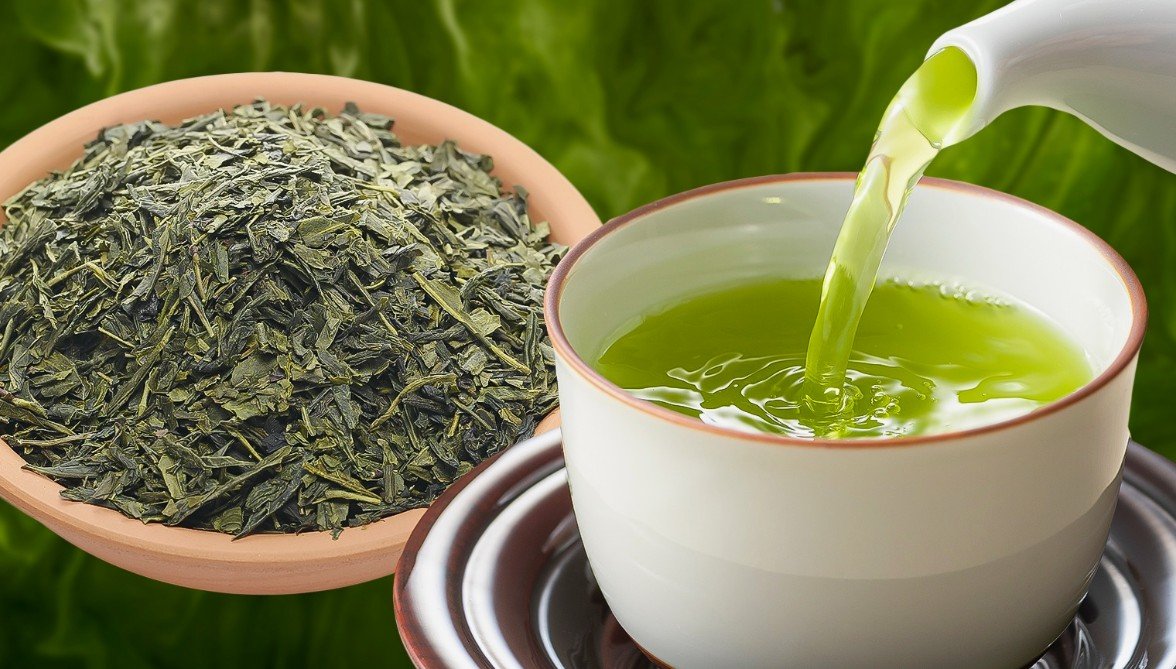
Green tea continues to remain one of the world’s most popular health drinks, with nutrition experts highlighting several benefits linked to regular consumption.
Health enthusiasts say drinking green tea consistently in moderate amounts for two weeks may bring noticeable positive changes to the body due to its rich antioxidant and nutrient content.
One of the most visible benefits is believed to be healthier and clearer skin. The antioxidants present in green tea may help purify the blood, reduce inflammation and support skin cell regeneration, potentially leading to reduced blemishes and a natural skin glow.
Green tea is also widely associated with weight management. Experts say compounds found in the beverage may help boost metabolism and support fat burning, making it a popular addition to healthy diet and fitness routines.
Studies have also linked green tea consumption to improved heart health. Regular intake may help manage blood pressure levels and reduce bad cholesterol, which can contribute to better cardiovascular function over time.

Another major benefit comes from the amino acid L-theanine naturally found in green tea. This compound may help reduce stress, improve concentration and promote calmness without causing the strong stimulation or nervousness sometimes associated with coffee.
Green tea is also believed to support the body’s immune system. Polyphenols and antioxidants present in the drink may help the body fight infections and reduce the risk of common illnesses such as colds and mild seasonal infections.
Health experts, however, advise moderation and recommend avoiding excessive green tea intake, especially for people sensitive to caffeine or those with certain medical conditions.
They also note that green tea works best when combined with balanced nutrition, regular exercise, proper sleep and overall healthy lifestyle habits.
While individual results may vary, consistent green tea consumption is widely considered a simple and natural habit that may support overall physical and mental wellbeing.