


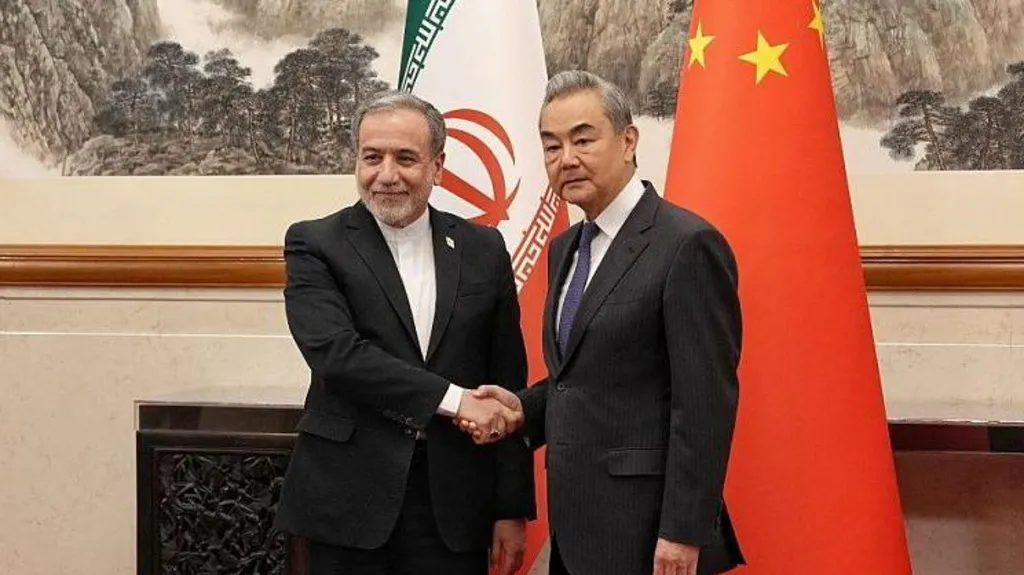
Wang Yi has called for the reopening of the Strait of Hormuz “as soon as possible” during talks with Iranian Foreign Minister Abbas Araqchi in Beijing.
The meeting marked Araqchi’s first visit to China since the outbreak of the Iran war and comes ahead of a planned summit between Donald Trump and Xi Jinping next week, where the conflict and regional shipping routes are expected to be discussed.
According to Chinese state media, Wang Yi stressed that achieving a lasting ceasefire is an “urgent priority” and warned that renewed fighting would further destabilise the region. He also urged all sides to continue negotiations and said Beijing was ready to support de escalation efforts.
China expressed concern over disruptions in the Strait of Hormuz, one of the world’s most critical oil transit routes. Wang said the international community strongly supports restoring safe and normal navigation through the waterway and called on all parties to respond quickly.
Since the conflict escalated, the strait has faced major disruptions following blockades imposed by both Iran and the United States, severely affecting global shipping and oil transport.
Beijing has repeatedly encouraged direct talks between Washington and Tehran while avoiding deeper involvement in the conflict. Wang also noted that China appreciated Iran’s commitment not to develop nuclear weapons.

Iranian media reported that Araqchi told Chinese officials bilateral cooperation between the two countries would become even stronger in the future.
Both US and Iranian officials have credited China with helping secure support for a Pakistan brokered ceasefire agreement reached earlier this year.
China has also criticised the US naval blockade of Iranian ports, calling it irresponsible and dangerous, and warning that it could undermine the already fragile ceasefire.
The issue remains particularly important for China, which is one of the largest buyers of Iranian oil. According to energy reports, China imported around 1.38 million barrels of Iranian crude oil per day in 2025, accounting for roughly 12 percent of its total crude imports.
Meanwhile, Trump said this week that Chinese President Xi Jinping had remained “respectful” during the crisis and suggested Beijing had avoided directly challenging Washington.
The upcoming summit between Trump and Xi, initially planned for March but delayed after strikes on Iran, could become one of the most significant diplomatic meetings linked to the ongoing regional conflict.