


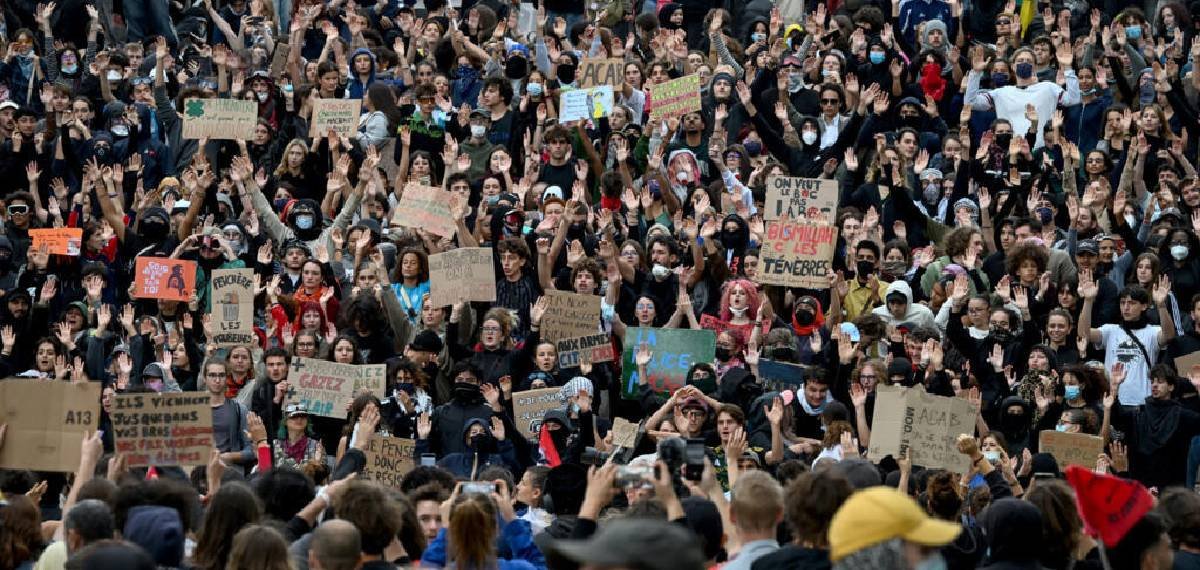
Protests and violent clashes have intensified across parts of Europe, with France and Italy tightening security measures as demonstrations over rising living costs, public services and political grievances continue. Albania is also experiencing anti-government unrest, while Spanish trade unions have called a nationwide 24-hour strike for November 11, ahead of the country’s scheduled general election on November 29.
In France, more than half a million people reportedly joined demonstrations on Saturday, while authorities reported more than 2,300 arrests following widespread unrest. Prime Minister Sébastien Lecornu has announced targeted curfews in several locations as officials seek to prevent further looting and damage to businesses and public buildings. The government is also facing calls for fresh strikes, while discussions with trade unions are being considered.
Italy is preparing a tougher security response after violent incidents in Milan, where protesters clashed with police and shops were vandalized and looted. The government of Prime Minister Giorgia Meloni has approved the deployment of 500 soldiers to the city and introduced tougher measures targeting violent conduct during demonstrations. More than 270 people were detained following the unrest, according to Italian reports. Demonstrations have been linked to anger over high living costs, low wages and concerns about public services. <escape></escape>

In Albania, student-led anti-government protests in Tirana have included clashes with police and attacks on public buildings. Demonstrators have raised concerns about corruption, education costs and a proposed luxury tourism development on the country’s southern coastline involving an investment firm linked to Jared Kushner, US President Donald Trump’s son-in-law. Prime Minister Edi Rama has rejected calls to resign, while authorities and opposition figures have traded accusations over responsibility for the unrest.
Meanwhile, Spain’s main trade union federations have scheduled a 24-hour general strike for November 11, citing concerns including housing affordability and wages. The walkout is planned ahead of the November 29 general election, adding to a period of heightened political and economic pressure across parts of Europe.