


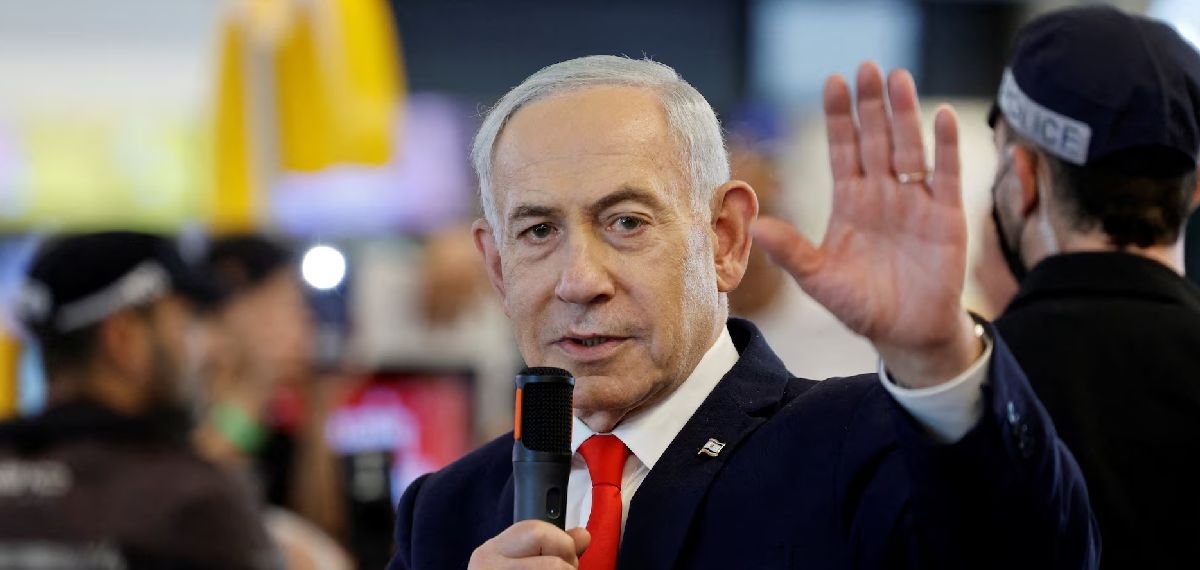
Israel is voting in a closely watched general election on October 27, 2026, as Prime Minister Benjamin Netanyahu faces a major challenge from opposition leader Gadi Eisenkot. The outcome could reshape the country’s political direction, although the next government will depend on coalition negotiations rather than the result of a direct vote for prime minister.
The election is the first national vote since the Hamas-led attack on October 7, 2023, which exposed major security failures and was followed by the war in Gaza and wider regional conflict. Netanyahu has faced criticism over the handling of the attack, the subsequent war and the government’s response to security concerns.
How Israel’s election system works
Israel’s parliament, the Knesset, has 120 seats. Voters choose political parties rather than electing the prime minister directly. A party must receive at least 3.25% of the national vote to qualify for parliamentary representation, with seats allocated through proportional representation. European Parliament Research Service
The leader of the party that wins the most seats does not automatically become prime minister. President Isaac Herzog consults political factions and selects the candidate considered most likely to form a government. The candidate must secure sufficient parliamentary support, with 61 seats representing an absolute majority of the Knesset.

Eisenkot challenges Netanyahu
Eisenkot, a former chief of staff of the Israel Defense Forces, leads the centrist Yashar party. The party has campaigned on national security, broader military or national service, education and establishing a state commission of inquiry into the October 7 failures. Former prime minister Naftali Bennett is another prominent opposition figure.
Pre-election polling has indicated that Eisenkot’s party could emerge as the largest faction, while Netanyahu’s Likud faces a difficult contest. However, neither the opposition nor Netanyahu’s political bloc has a guaranteed path to the 61 seats needed to govern. Smaller parties and coalition agreements could prove decisive.
The final outcome may take time to determine. Preliminary indications are expected after polling stations close, while official results are scheduled for November 4. Even after the vote count, negotiations could decide whether Netanyahu remains in office or a rival forms the next government.