


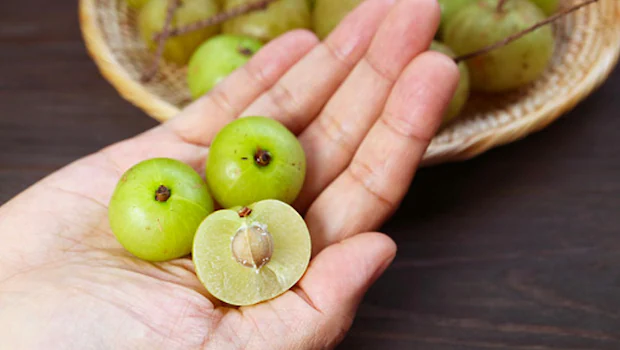
Amla, also known as Indian gooseberry, is packed with vitamin C, fibre and antioxidants, making it one of India’s most nutrient-rich fruits. It is widely consumed to support immunity, healthy skin, hair growth and overall well-being. But according to nutritionist Shalini Sudhakar, the way you consume amla can influence the benefits you receive.
Amla Juice: Convenient but Lower in Fibre
Amla juice is one of the easiest ways to include the fruit in your diet. While it retains many vitamins and minerals, the juicing process removes much of the dietary fibre, which plays an important role in digestion and gut health.
Whole Raw Amla: Rich in Nutrients
Eating raw amla provides its complete nutritional profile, including fibre, antioxidants and vitamin C. However, its intensely sour and astringent taste may not suit everyone, and some people may find it difficult to digest in larger quantities.

Fermented Amla: The Expert’s Top Choice
According to Sudhakar, fermented amla is the healthiest option.
The fermentation process preserves the fruit’s nutrients while promoting the growth of beneficial probiotics, which support gut health. Unlike juice, fermented amla also retains its natural fibre, offering a more complete nutritional package.
How to Make Fermented Amla at Home
Wash and pierce each amla with a fork.
Place the amlas in a clean container filled with water.
Add a small amount of salt and sugar.
Leave the mixture to ferment for three days.
Once fermented, the amlas are ready to eat.
Including amla in any form can be beneficial, but experts suggest that fermented amla offers the best combination of vitamin C, fibre, antioxidants and gut-friendly probiotics.