


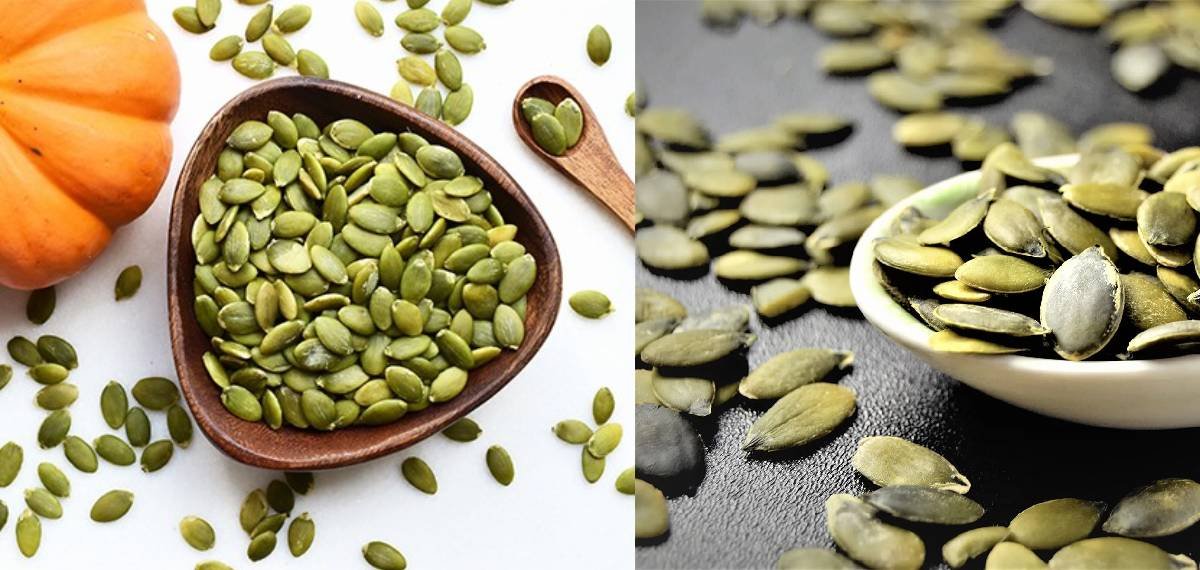
Pumpkin seeds are small, but they contain several important nutrients, including protein, healthy fats, fiber, magnesium, zinc and iron. Adding a moderate amount to a balanced diet can be an easy way to increase your intake of these nutrients.
Many people discard pumpkin seeds when preparing pumpkin, but the seeds can be eaten in several ways. Shelled pumpkin seeds, often called pepitas, are commonly available raw, roasted, unsalted or salted.
For a healthier everyday option, unsalted or lightly salted varieties are preferable because some packaged pumpkin seeds can contain significant amounts of sodium.
How much pumpkin seeds can you eat per day? You do not need to eat a large handful of pumpkin seeds to get their nutritional benefits. Around 1 to 2 tablespoons a day is a practical serving for most adults, depending on their overall diet and nutritional needs.
A 28-gram serving of shelled pumpkin seeds provides roughly 150 to 160 calories and up to about 8 grams of protein, along with healthy fats and nutrients such as magnesium and zinc.
Because pumpkin seeds are relatively calorie-dense, portion size is important, particularly for people who are monitoring their overall calorie intake.
A good source of magnesium One of the notable nutrients in pumpkin seeds is magnesium. This mineral plays an important role in normal muscle and nerve function, energy production and bone health.
Including pumpkin seeds as part of a varied diet can therefore contribute to daily magnesium intake.
Provides plant-based protein Pumpkin seeds can also provide useful amounts of plant-based protein. They can be particularly convenient as a snack for people who are reducing their intake of meat or including more plant-based foods in their diet.
Adding a small portion to yogurt, oatmeal or a salad can increase the protein and nutrient content of a meal or snack.
Contains fiber for digestion Pumpkin seeds contain dietary fiber, although the amount varies depending on whether the outer shell is consumed. Fiber supports normal digestive function and can contribute to overall gut health.
People who are not used to eating many high-fiber foods can start with a small portion and gradually increase their intake.
May support heart health Pumpkin seeds contain unsaturated fats and magnesium, nutrients that can form part of a heart-healthy eating pattern.
However, pumpkin seeds should be viewed as one component of an overall balanced diet rather than a food that independently prevents or treats heart disease.
Provides zinc Pumpkin seeds are also a source of zinc, a mineral needed for normal immune function, cell growth and wound healing.
Including different zinc-containing foods in the diet can help support adequate zinc intake.

May support healthy sleep Pumpkin seeds contain tryptophan, an amino acid involved in the production of compounds associated with sleep and mood. They also provide magnesium and zinc, which are involved in several processes related to normal nervous-system function.
While pumpkin seeds can be part of a healthy diet that supports overall well-being, eating them should not be considered a guaranteed treatment for sleep problems.
How can you eat pumpkin seeds? Pumpkin seeds are versatile and can easily be added to everyday meals. You can:
Eat them raw or lightly roasted.
Add them to yogurt.
Sprinkle them over oatmeal or cereal.
Add them to salads.
Mix them with fruit.
Blend them into smoothies or shakes.
Use them as a topping for soups or other meals.
Choosing unsalted or low-sodium varieties is generally a better option for regular consumption.
Don’t overeat pumpkin seeds Although pumpkin seeds are nutrient-rich, they are also relatively high in calories and fat. Eating large amounts may make it easier to consume more calories than intended.
Some people may also experience bloating or digestive discomfort after eating a large quantity at once. Starting with a small portion and gradually increasing it can help determine what works best for you.
For most adults, 1 to 2 tablespoons a day can be a reasonable starting point. People following special diets or those with specific health conditions should discuss appropriate portions with a doctor or registered dietitian.
Pumpkin seeds can be a nutritious addition to a balanced diet, but variety remains important. Combining them with vegetables, fruits, whole grains, legumes and other sources of protein can provide a broader range of essential nutrients.