


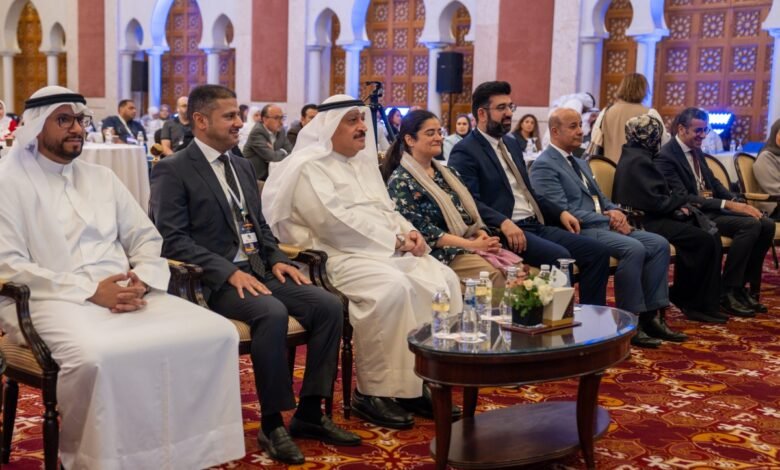
uwait is prioritising the development of medical skills, scientific research and continuing professional education to strengthen its healthcare system and ensure the sustainable delivery of medical services, Minister of Health Dr Ahmed Al-Awadhi said on Saturday.
Speaking at the opening of the second Internal Medicine Conference organised by Al-Adan Hospital, Al-Awadhi said scientific conferences and professional forums provide doctors with opportunities to exchange expertise, discuss advances in diagnosis and treatment, and incorporate the latest medical knowledge into clinical practice.
The minister highlighted Al-Adan Hospital’s development over the past 45 years. The hospital began providing healthcare services in 1980 and officially opened in 1981. He praised the expansion of its facilities and Department of Internal Medicine, including the growth of subspecialties, modernisation of infrastructure and improved coordination between departments.
Al-Awadhi said the department had advanced in several areas, including clinical hematology, neurological conditions, stroke and movement disorders. It has also established specialised clinics for obesity, digestive and respiratory diseases, and geriatric care, while contributing to clinical protocols and programmes focused on early detection and prevention.

Highlighting developments in precision medicine, digital technologies and artificial intelligence, the minister said scientific gatherings were important for translating new knowledge into everyday medical practice. He stressed that doctors must continue updating their skills to keep pace with advances that could improve diagnosis, treatment and patient care.
However, Al-Awadhi emphasised that technological progress could not replace qualified doctors’ expertise and clinical judgment, describing sound medical decision-making as a fundamental element of effective healthcare.
Dr Khalil Shweiker, head of Al-Adan Hospital’s Internal Medicine Department and chairman of the conference, said the event was being held for the second consecutive year. He explained that the inaugural conference was established to give doctors across medical specialties a platform to exchange experience and learn about the latest developments in their fields.
Shweiker added that scientific meetings offered more than lectures and formal discussions. They also enabled direct interaction among medical professionals and the sharing of practical clinical experience, which could help improve the standard of care provided to patients.