


Protein plays an important role in muscle growth, tissue repair and the normal functioning of the immune system. While eggs, chicken and fish are popular protein sources among fitness enthusiasts, people following a vegetarian diet can also meet their protein needs through foods such as soybeans, tofu, seeds and nuts.
For people who exercise regularly or want to manage their weight, including adequate protein in a balanced diet can support muscle maintenance and recovery. Here are five vegetarian foods that can help increase protein intake without eating eggs.
1. Soybeans
Soybeans are a valuable plant-based protein source because they contain all nine essential amino acids. Around 100 grams of cooked soybeans provides approximately 18 grams of protein, although the amount can vary with preparation.
Soybeans also contain fiber, iron and healthy fats. They can be added to curries, salads and other meals, making them a versatile option for people looking to increase their vegetarian protein intake.
2. Tempeh
Tempeh is a traditional Indonesian food made by fermenting soybeans. It provides concentrated plant-based protein, with approximately 19 to 20 grams per 100 grams, depending on the product.
It also supplies fiber and minerals. Tempeh can be steamed, lightly pan-fried or added to curries and stir-fries as part of a balanced meal.
3. Tofu
Tofu is made by coagulating soy milk and is widely used as a meat alternative in vegetarian diets. Its protein content depends on the type, with firm tofu generally providing more protein than softer varieties. Firm tofu may contain around 10 to 17 grams of protein per 100 grams.

Tofu can be added to curries, vegetable stir-fries and other dishes. Combining it with vegetables and whole grains can help create a varied, nutritious meal.
4. Pumpkin seeds
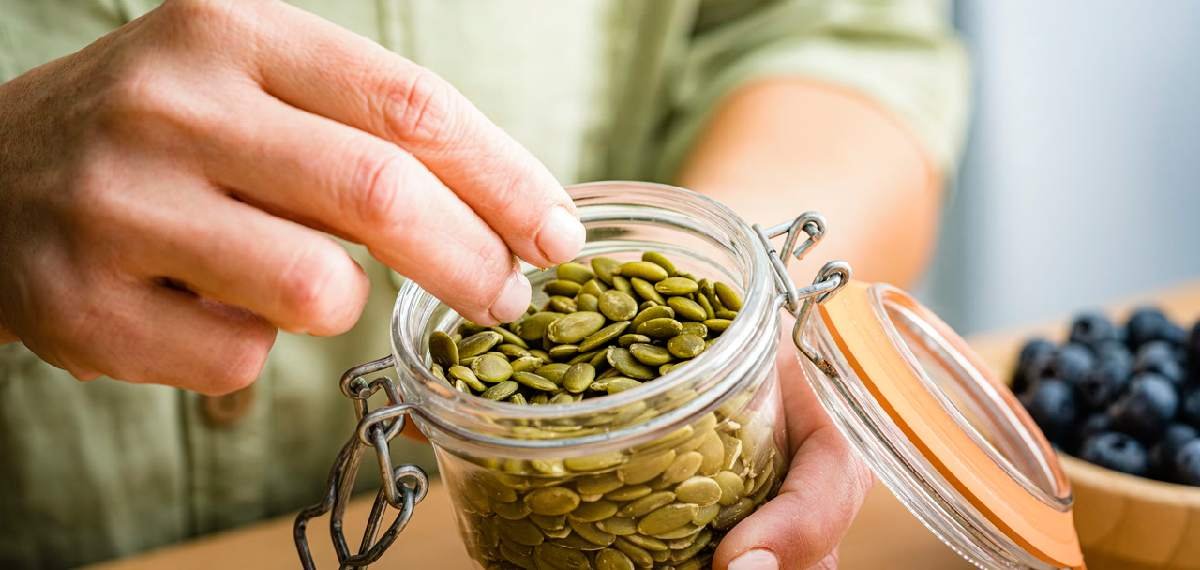
Pumpkin seeds are a convenient source of plant protein, healthy fats, magnesium and zinc. They typically provide around 25 to 30 grams of protein per 100 grams, depending on the product.
Because they are calorie-dense, a smaller serving is generally more practical than eating 100 grams at once. Pumpkin seeds can be sprinkled over salads, mixed into oatmeal or eaten as a snack.
5. Peanuts
Peanuts are an affordable and widely available source of plant-based protein. They provide approximately 25 to 26 grams of protein per 100 grams and also contain unsaturated fats and fiber.
Boiled or dry-roasted peanuts can be included in meals and snacks. However, portion sizes matter because peanuts are high in calories. People with peanut allergies should avoid them.
How to include these foods in your diet
These five foods can help vegetarians increase their protein intake without relying on eggs. The amount of protein needed varies according to body weight, activity level, health and fitness goals. Including a variety of protein sources alongside vegetables, fruits, whole grains and other nutrient-rich foods can help support a balanced diet.
Protein values are approximate and vary by preparation and product. Seeds and peanuts are also much more calorie-dense than cooked soybeans or tofu, so comparisons based only on protein per 100 grams do not necessarily reflect typical serving sizes.