


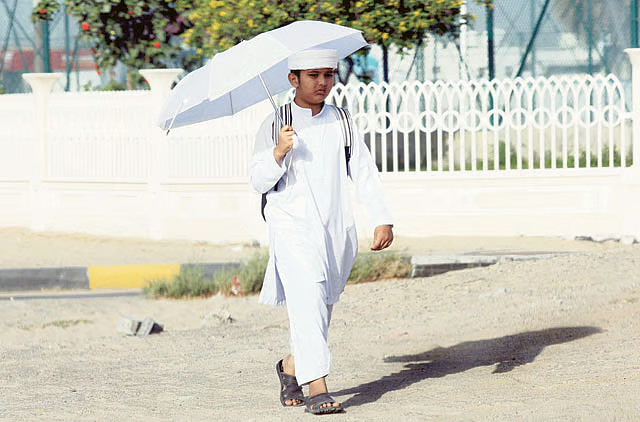
The UAE is set to enter a period of intense summer heat and dry weather from June 7, marking the beginning of the traditional Gulf summer season known as “Al Qayz.”
According to Ibrahim Al Jarwan, Chairman of the Emirates Astronomical Society, the season begins with the appearance of the Pleiades star cluster above the eastern horizon at dawn, a phenomenon long used by Arabs as a natural indicator of the arrival of extreme summer conditions.
The initial 13-day Pleiades period will run from June 7 to June 19, while the wider season extends until July 2. This period represents the first stage of Al Qayz and is traditionally associated with rising temperatures and increasingly dry weather.
Meteorological patterns indicate that temperatures will continue climbing throughout June before reaching their annual peak during July and August. Daytime temperatures in June are expected to range between 40°C and 43°C, while overnight temperatures may remain between 28°C and 31°C.

As the season progresses into July, daytime highs are forecast to remain between 41°C and 43°C, with nighttime temperatures rising further to between 30°C and 33°C. Humidity levels are also expected to increase later in the summer.
The Pleiades season is followed by the traditional periods of Al Jawza, Al Marzam and Al Kulaibin, each bringing changes in weather patterns, including hotter days and more humid conditions across the region.
Authorities typically advise residents to stay hydrated, avoid prolonged exposure to direct sunlight and take necessary precautions during periods of extreme heat.