


Fasting can significantly change eating patterns, with fewer meals and a shorter window for food intake. This makes it important to choose nutrient-dense foods that can help meet the body’s nutritional needs, particularly for essential micronutrients such as iron and zinc.
Iron is needed to produce hemoglobin, the protein that carries oxygen throughout the body. Zinc supports several important functions, including immune health, growth and tissue repair. Getting enough of both nutrients through a balanced diet can be especially important when the number of meals is reduced during a fasting month.
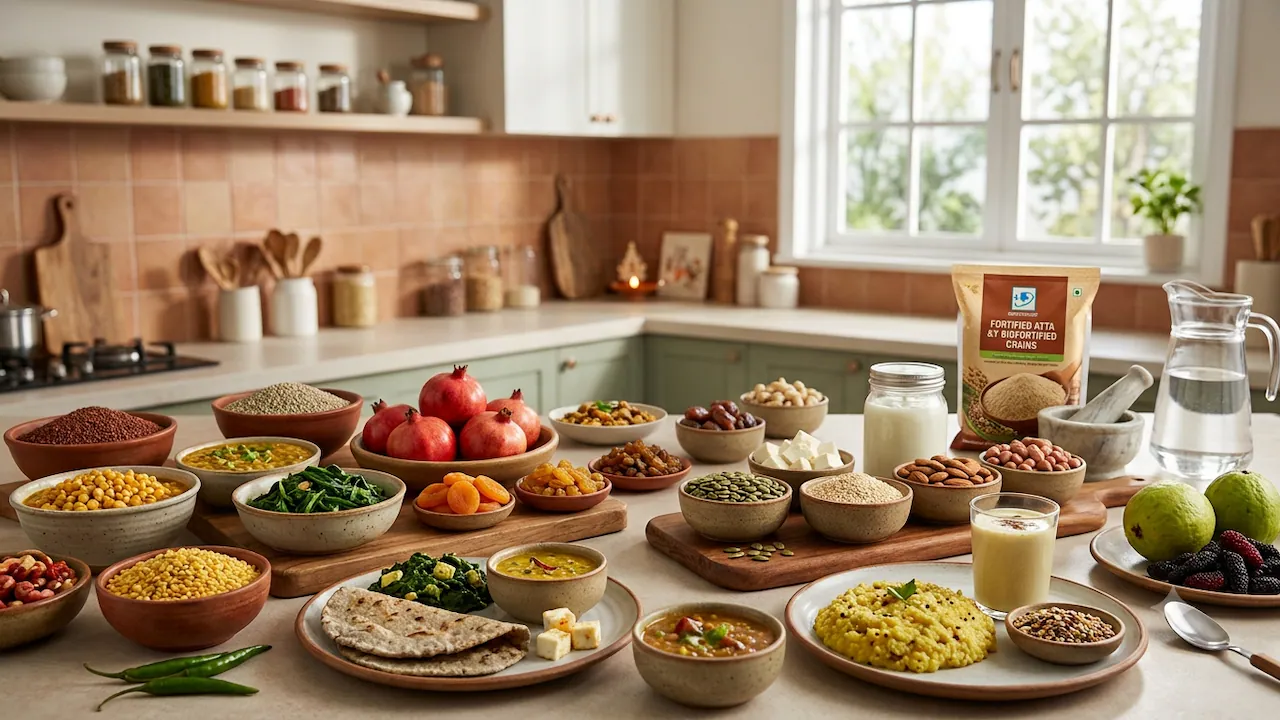
Foods such as green leafy vegetables, dals, lentils, beans and millets including bajra, ragi and jowar can contribute to iron intake. Fruits such as guava, pomegranate, blackberries and mulberries, along with dried fruits such as raisins and apricots, can also add nutrients to fasting meals and snacks.
For zinc, nuts and seeds can be useful additions where permitted by an individual’s fasting practices. Pumpkin seeds, sesame seeds, peanuts and almonds are convenient options. Dairy products such as milk, curd and paneer can also contribute nutrients for people whose fasting traditions allow dairy.

Another approach is to choose nutrient-rich staple foods. Since foods such as atta, rice, dals and millets are consumed regularly, selecting products with higher levels of essential nutrients can help improve overall dietary intake without requiring major changes to familiar meals.
Biofortification is one method used to increase the nutritional value of staple crops. Through agricultural practices and crop development, biofortified varieties can contain higher levels of nutrients such as iron and zinc.
During a fasting month, when the eating window may be shorter, planning balanced meals can help ensure that the foods consumed provide a broad range of essential nutrients. However, people with diagnosed nutrient deficiencies should follow medical advice and may require testing or supplementation rather than relying on dietary changes alone.
Whether fasting or following a regular eating routine, focusing on balanced, varied and nutrient-dense meals can help support adequate intake of essential vitamins and minerals.