

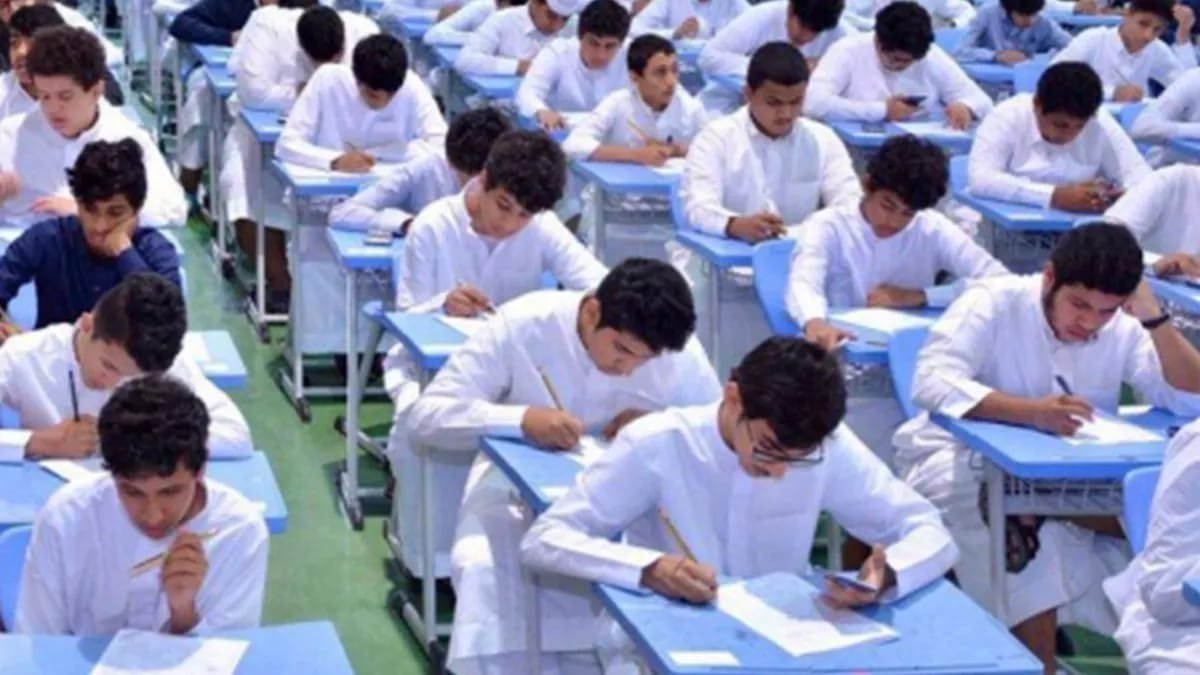
Riyadh: Saudi Arabia has approved a comprehensive set of legal and executive regulations governing public education from nursery to Grade 12, marking one of the country’s most significant education reforms in recent years.
The new framework is designed to improve the quality of education, expand private sector participation and strengthen the sector in line with the goals of Vision 2030.
A key feature of the reforms is the establishment of a Council for Public Education, chaired by the Minister of Education and comprising representatives from government ministries, the Education and Training Evaluation Commission, and the private sector. The council will oversee national education policies, long-term strategies and sector planning.
The council will also determine the age for nursery and school admissions, recommend education reforms, approve teacher recruitment regulations, oversee online learning and private schools, regulate educational consultancy professionals and propose the academic calendar for Cabinet approval.
Under the new law, compulsory education will remain in place for children aged six to 15, while education in government schools will continue to be provided free of charge. Arabic will remain the primary language of instruction, although schools may adopt an additional language where appropriate.

The Ministry of Education will have the authority to update curricula and teaching methods to better meet labour market needs and expand support for students with disabilities and gifted learners. Classroom teaching will remain the primary mode of education, while online learning, distance education and community learning centres will continue to complement traditional instruction.
Private schools will face stricter quality assurance requirements, including mandatory accreditation from the Education and Training Evaluation Commission or an internationally recognised accreditation body. Authorities must respond to licence applications within 30 days, and unsuccessful applicants will have the right to appeal.
The reforms also strengthen protections and professional development opportunities for teachers while introducing disciplinary measures for educators, administrators and private institutions that violate regulations. Serious breaches may result in dismissal or permanent disqualification.
Private schools found violating the new rules could face warnings, suspension of student admissions, fines ranging from 5,000 to 50,000 Saudi riyals, or licence revocation. Schools whose licences are revoked will be required to complete the ongoing academic year at the owner’s expense to ensure students’ education is not disrupted.