


Diabetes is widely associated with the need to control blood sugar levels, but its effects on eye health can be overlooked. High blood sugar over time can damage the eyes even when vision appears normal. Regular eye examinations and effective diabetes management are essential to help protect eyesight and reduce the risk of serious complications.
How does diabetes affect the eyes?
The retina, located at the back of the eye, detects light and plays a vital role in vision. When blood sugar remains high for prolonged periods, the tiny blood vessels supplying the retina can become damaged, leak fluid or bleed. This condition is known as diabetic retinopathy.
As the condition progresses, it can affect vision and, in severe cases, lead to significant or permanent vision loss. Early detection and appropriate treatment can help reduce the risk of serious complications. Research has also examined the relationship between diabetes and eye disease, including the findings discussed in The Lancet Diabetes & Endocrinology.
Eye damage may develop without obvious symptoms
One of the main challenges of diabetic retinopathy is that it may not cause noticeable symptoms in its early stages. People may continue reading, using their phones and watching television normally while changes develop inside the eye.
As the condition advances, symptoms may include blurred vision, dark spots or floaters, and distorted vision. However, waiting for these warning signs before seeking an eye examination can delay diagnosis. People with diabetes should arrange regular comprehensive eye examinations, including retinal assessment, even when their vision seems normal.
Who needs to pay particular attention?
People who have had diabetes for many years or whose blood sugar levels are not well controlled may face a greater risk of eye complications. High blood pressure and other health conditions can also increase the risk of damage.
Anyone diagnosed with diabetes should discuss eye screening with their healthcare provider. The timing and frequency of examinations depend on the type of diabetes, the person’s medical history and whether signs of eye disease are present.

How to protect your eyesight
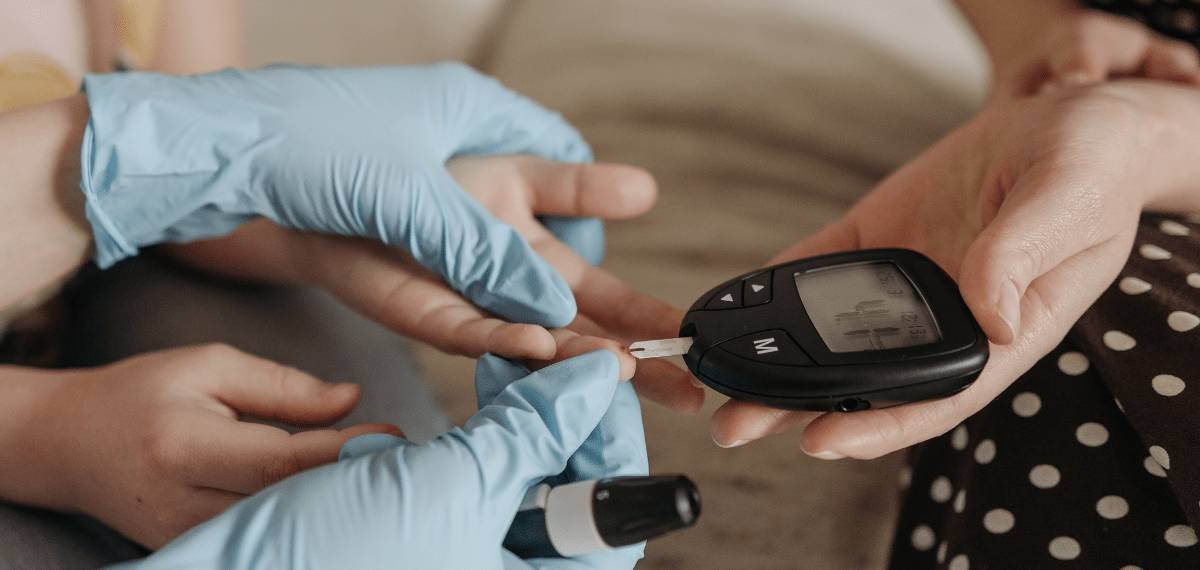
Keep blood sugar under control: Monitor glucose levels as advised by your healthcare provider and take prescribed medication as directed.
Schedule regular eye examinations: Follow your doctor’s recommendations for comprehensive eye checks, even if you have no symptoms.
Manage blood pressure and cholesterol: Keeping these within recommended ranges can help reduce the risk of blood vessel damage.
Maintain healthy habits: Eat a balanced diet, exercise regularly and avoid smoking to support your overall health.
Act quickly if vision changes: Seek urgent medical assessment if you experience sudden blurred vision, a sudden increase in floaters, flashes of light or a dark shadow across your vision.
Diabetes does not automatically lead to vision loss, and appropriate care can make a meaningful difference. The key is to manage blood sugar, attend regular eye examinations and seek medical advice promptly when changes occur. Protecting your eyesight should be part of your diabetes care from the beginning, not something to consider only when vision problems appear.