


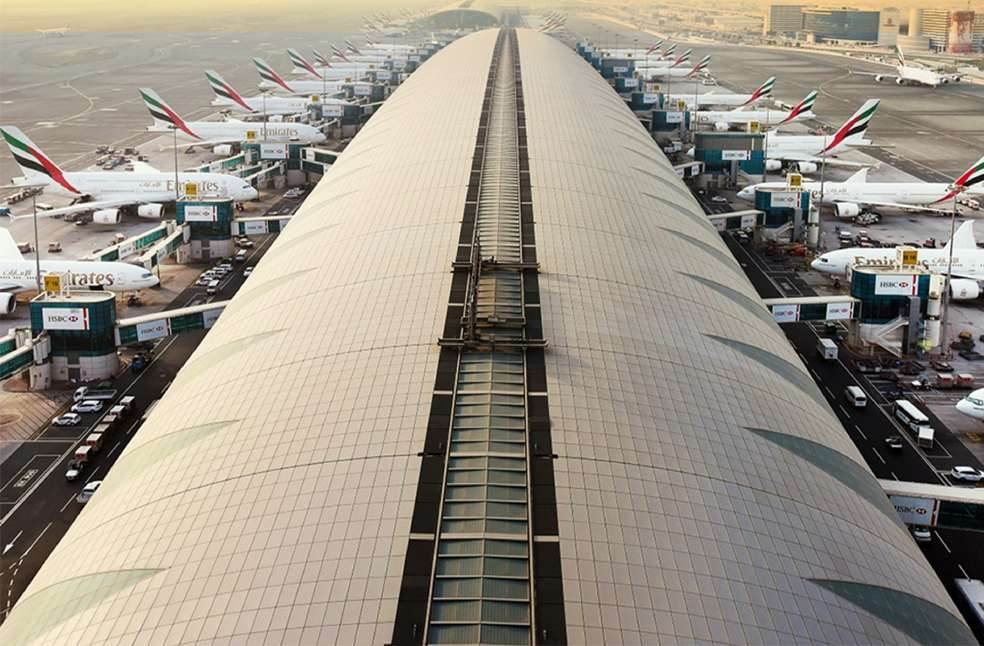
The United Arab Emirates has restarted a limited number of flights following several days of severe disruption caused by escalating tensions across the Middle East. Aviation analytics firm Cirium reported that more than 11,000 flights in and out of the region have been cancelled since Saturday.
Dubai Airports confirmed that a small number of departures have been authorised from Dubai International Airport and Dubai World Central. Passengers have been advised not to travel to the airport unless they have been directly contacted by their airline with confirmed departure details.
Emirates announced the gradual resumption of select services, giving priority to customers with earlier bookings. Meanwhile, Etihad Airways stated that regular commercial operations remain suspended until Wednesday. However, certain repositioning, cargo and repatriation flights may operate subject to safety clearances. Flight tracking data indicated at least 16 Etihad departures from Abu Dhabi on Monday to destinations including London, Amsterdam, Moscow and Riyadh.

Some Emirates flights departing Dubai have successfully landed in Mumbai and Chennai, while other inbound UAE services have been diverted. Two Etihad aircraft en route to Abu Dhabi were redirected to Muscat, and one Emirates flight returned toward Mumbai shortly after departure.
Widespread airspace closures across Iraq, Jordan, Qatar and Bahrain have significantly affected regional aviation following U.S. and Israeli strikes on Iran and subsequent retaliatory attacks. Several governments are reviewing evacuation measures. Germany has announced chartered flights to Saudi Arabia and Oman to assist vulnerable nationals.
Industry analysts warn that prolonged instability could reshape regional aviation networks. Increased insurance premiums, restricted flight corridors and operational risks may force airlines to reassess route viability, potentially altering the Middle East’s role as a global transit hub.