


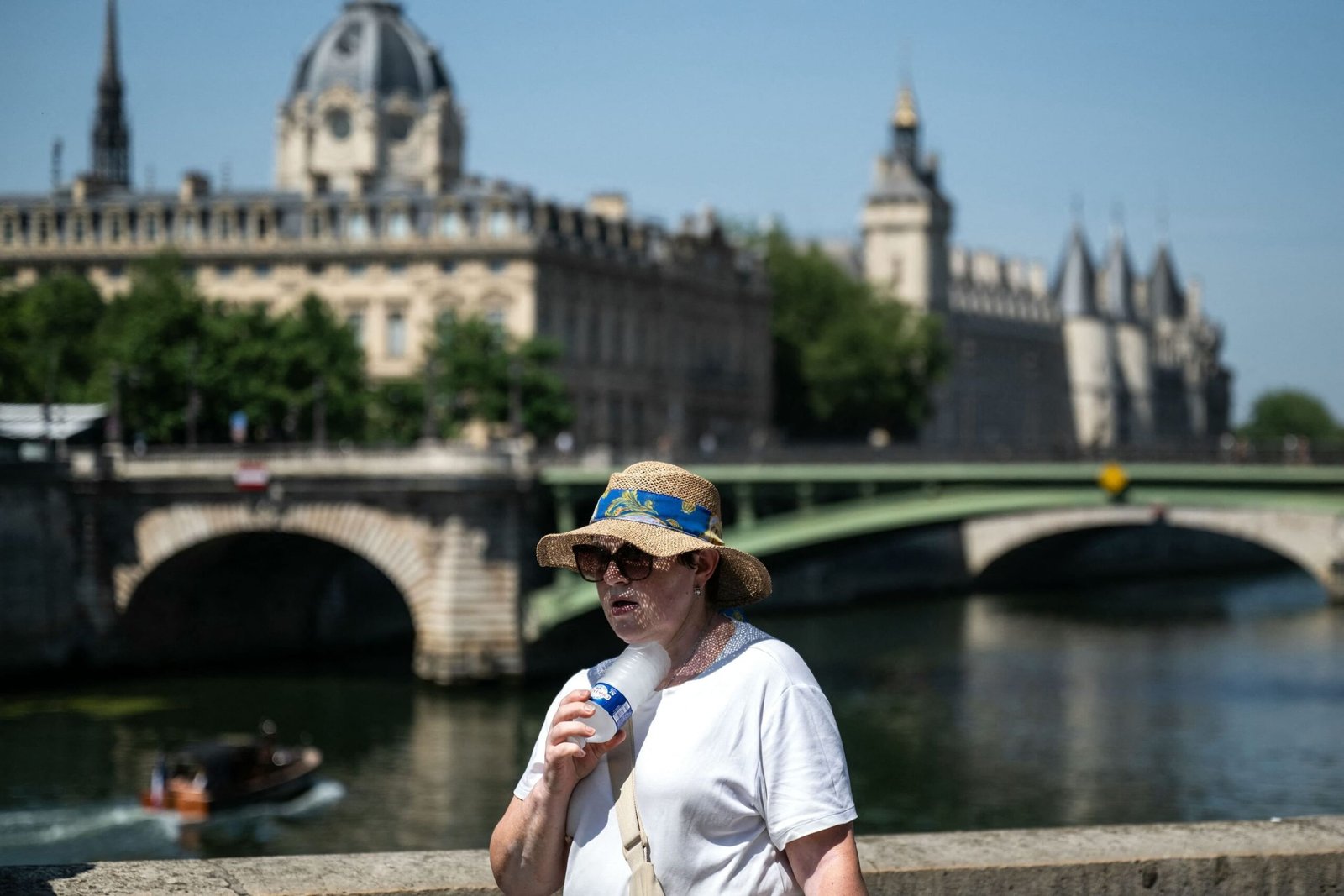
Brussels: Europe is preparing for a fourth heatwave as authorities in Spain and France warn that soaring temperatures could intensify ongoing wildfires and worsen air pollution caused by drifting smoke.
Officials said smoke from large wildfires burning across both countries has spread over wide areas, while more than 300,000 people have already been affected by evacuations linked to the fires.
Spain’s meteorological agency warned that temperatures could reach 45°C, putting the country on track for its hottest year on record. In southwestern France, temperatures are expected to climb to around 38°C, with several major wildfires continuing to burn.
Spanish Environment Minister Sara Aagesen said the expected rise in temperatures could push wildfire risks to record levels. Interior Minister Fernando Grande-Marlaska described the coming days as critical for containing the fires before the heatwave strengthens.
In France, Interior Minister Laurent Nuñez said authorities are raising the alert level to its highest setting as the Pyrenees region prepares for a period of extreme heat.

Health officials warned that wildfire smoke containing fine particulate matter, carbon monoxide and carbon dioxide has significantly reduced air quality across large parts of Europe. These pollutants can penetrate deep into the lungs and bloodstream, increasing the risk of respiratory and cardiovascular illnesses, carbon monoxide poisoning, hospital admissions and premature deaths, particularly among vulnerable groups.
A spokesperson for the European Commission said Europe’s wildfire season has been starting earlier and lasting longer each year. This year’s season began in April and is expected to continue until October or early November.
According to the European Union’s climate risk assessment, wildfire smoke is now considered the second-largest health risk in Europe after extreme heat. The Health and Environment Alliance (HEAL) warned that wildfire-related air pollution can travel thousands of kilometres, making it difficult to control.
The European Respiratory Society has advised people in affected areas to remain indoors with windows closed, avoid strenuous outdoor activities and wear protective masks capable of filtering fine particles if they need to go outside.