


Dubai: Dubai’s public transport network, shared mobility services and taxis carried approximately 348.1 million passengers during the first half of 2026, with average daily ridership reaching nearly 1.9 million, according to the Roads and Transport Authority (RTA).
The figures cover journeys made using Dubai Metro, Dubai Tram, public buses, marine transport, taxis and shared mobility services. Limousine services separately transported another 5.7 million passengers during the period.
Mattar Al Tayer, Director-General and Chairman of the Board of Executive Directors of RTA, said the latest figures reflect Dubai’s continued efforts to build an integrated transport network centred on sustainability, innovation and improved connectivity.
The share of journeys made using public transport and shared mobility has increased substantially over the past two decades, rising from just 6 percent in 2006 to 22.3 percent in 2025.
Dubai Metro Remains Most Popular
The Dubai Metro accounted for the largest share of passengers during the first six months of 2026, representing 39.2 percent of total ridership.
The Red and Green lines together transported approximately 136.5 million passengers.
Taxis ranked second, carrying 88.9 million passengers, or 25.5 percent of total ridership. Public buses followed closely with 85.1 million passengers, accounting for 24.4 percent.
Together, Dubai Metro, taxis and public buses accounted for approximately 89 percent of all journeys recorded during the period.
Shared mobility services, including other first- and last-mile transport options, carried 25.7 million passengers.
Dubai’s marine transport services recorded 8.1 million riders, while the Dubai Tram transported approximately 3.8 million passengers.
January Records Highest Ridership
January was the busiest month during the first half of the year, with Dubai’s public and shared transport network recording approximately 73.4 million passengers.
Among interchange Metro stations, BurJuman emerged as the busiest, serving approximately 8.4 million passengers. Union Station followed with around 6.5 million riders.

Gold and Blue Metro Lines to Expand Network
RTA is simultaneously moving forward with major projects designed to significantly expand Dubai’s rail network.
Plans include the proposed Dubai Metro Gold Line, which will extend for approximately 42 kilometres and feature 18 stations. The project has an estimated investment value of AED34 billion.
Work is also progressing on the 30-kilometre Dubai Metro Blue Line, which will feature 14 stations and provide connections across nine key districts.
The projects are expected to strengthen connectivity between residential, commercial and economic areas while increasing the capacity of Dubai’s public transport system.
637 New Buses Joining Fleet
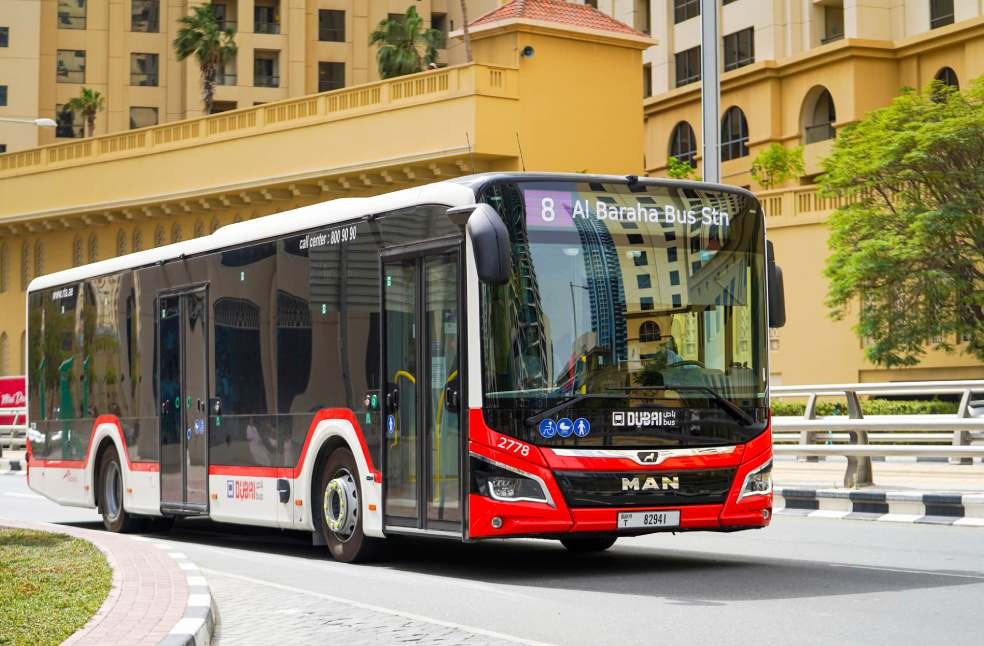
Dubai is also expanding its bus network with the phased introduction of 637 new buses.
The new fleet includes 40 electric buses, supporting RTA’s efforts to reduce emissions and transition towards cleaner and more sustainable transport technologies.
Driverless Taxis and Air Taxis
RTA is also accelerating the adoption of future mobility solutions.
Following the introduction of driverless taxi operations earlier in 2026, Dubai is preparing for another major development in urban mobility, with commercial air taxi services expected to begin before the end of the year.
The initiatives form part of Dubai’s broader strategy to diversify transport options and introduce advanced technologies capable of supporting the emirate’s rapidly growing population.
RTA aims to increase the proportion of journeys made through public transport and shared mobility to 25 percent by 2030.
The expansion of Metro lines, buses and future mobility services forms part of efforts to support the Dubai 2040 Urban Master Plan and the Dubai Economic Agenda D33, while creating a more connected, sustainable and efficient transport network.