


Iron deficiency is one of the most common nutritional deficiencies worldwide and is especially prevalent in countries such as India. While iron supplements are widely prescribed to treat low iron levels and anaemia, the body absorbs only a small percentage of the iron from each tablet. What you eat and drink alongside your supplement can significantly affect how much iron your body actually uses.
One of the most effective ways to improve iron absorption is by pairing your supplement with vitamin C-rich foods. Vitamin C converts iron into a form that is easier for the body to absorb, making supplements and plant-based sources of iron more effective.
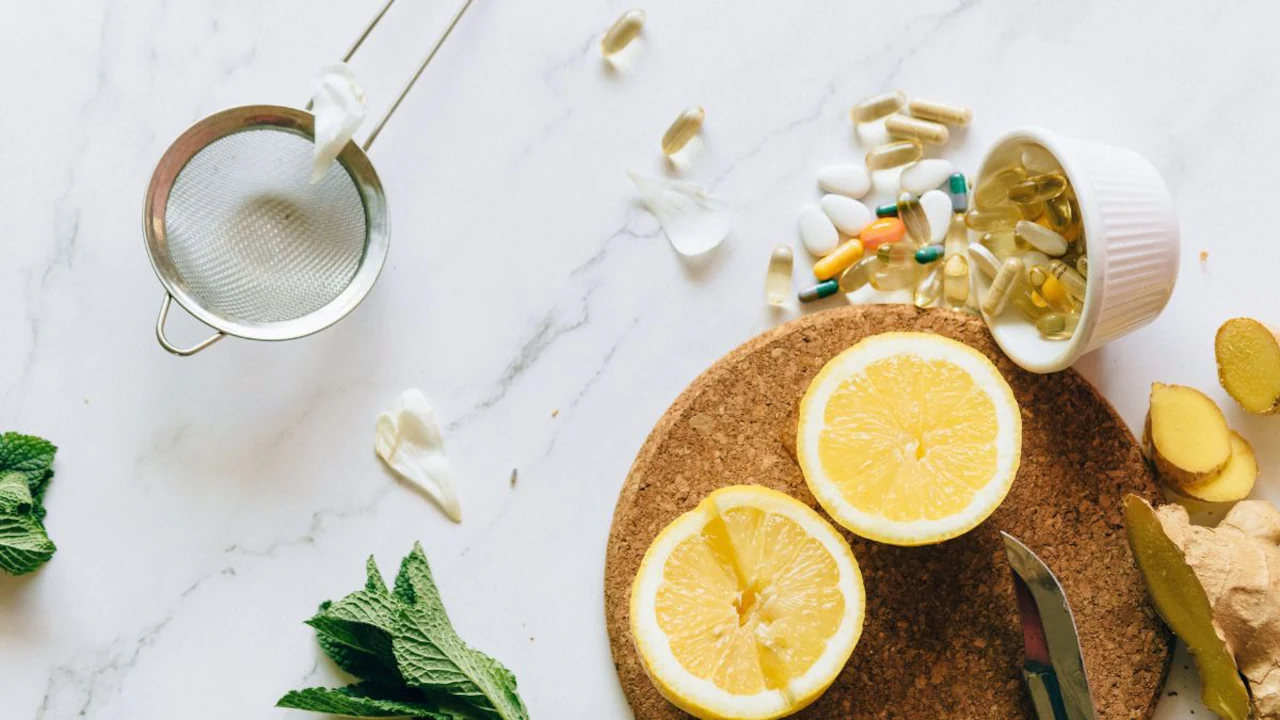
A simple way to do this is by taking your iron tablet with a small glass of fresh lemon water (nimbu paani) or orange juice. If you prefer whole foods, amla (Indian gooseberry), guava, kiwi, strawberries, and papaya are all excellent sources of vitamin C. Vegetables such as tomatoes, capsicum (bell peppers) and broccoli can also enhance iron absorption when included in meals.

For people following a vegetarian or vegan diet, combining iron-rich foods like lentils, beans, spinach, millets, and tofu with vitamin C-rich fruits or vegetables can significantly improve the body’s ability to absorb iron.
It is equally important to avoid foods and drinks that interfere with iron absorption around the time you take your supplement. Tea, coffee, and calcium-rich foods such as milk and cheese can reduce iron absorption if consumed too close to your iron tablet. Health experts generally recommend taking iron supplements on an empty stomach or with vitamin C-rich foods and waiting at least one to two hours before consuming tea, coffee or dairy products.
If you have been prescribed iron supplements, following these simple dietary habits can help your body absorb more iron, making treatment more effective and supporting healthier red blood cell production.