


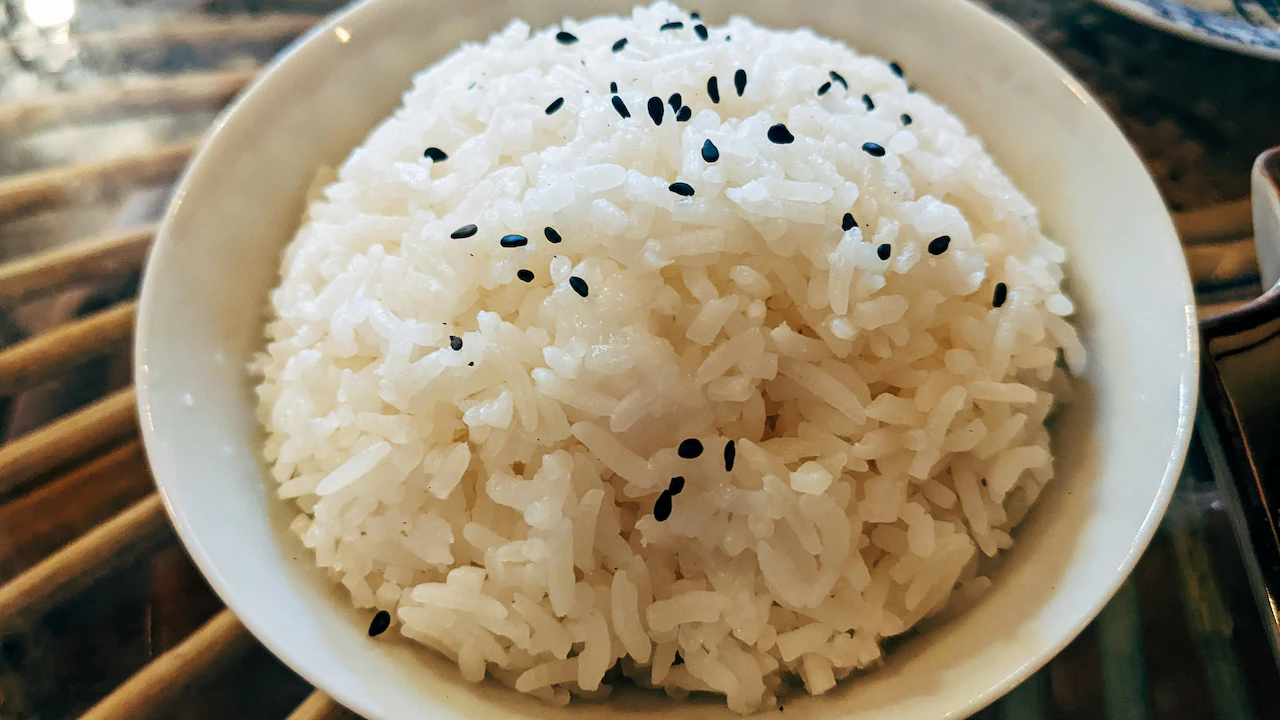
Rice has long been blamed for weight gain, particularly when eaten at dinner. However, nutrition experts say there is no scientific evidence that eating rice at night alone leads to weight gain.
According to nutritionist Rupali Datta, weight management depends primarily on maintaining a calorie deficit—burning more calories than you consume—rather than avoiding a specific food at a particular time of day. She says eating rice for dinner will not automatically result in weight gain if your overall calorie intake remains within your daily needs.
Experts agree that portion size is far more important than meal timing. Datta recommends limiting rice to half to one cup of cooked rice per meal and pairing it with protein-rich foods such as dal, paneer, fish or chicken, along with vegetables to create a balanced, satisfying meal.

Celebrity nutritionist Rujuta Diwekar also rejects the idea that people trying to lose weight should eliminate rice. She recommends choosing single-polished or hand-pounded rice, avoiding overeating and finishing dinner about two hours before bedtime. Rather than focusing on trendy alternatives, she encourages people to eat rice varieties that are locally available as part of a wholesome diet.
The common debate over rice versus roti has no universal answer, according to nutritionist Kavita Devgan. She says both foods can be included in a healthy dinner, with the better choice depending on individual preferences, digestion and the overall nutritional balance of the meal.
Nutrition experts conclude that successful weight loss depends on balanced eating habits, portion control, regular physical activity and total daily calorie intake, rather than avoiding rice at night.